
The Complete Beginner's Guide to Archery in America: Everything You Need to Know Before Your First Shot
Every archer shooting tight groups today started exactly where you are: holding a bow for the first time, unsure which hand goes where. That's the whole secret. Nobody is born knowing how to shoot, and nobody expects you to. This guide walks through the sport as it actually exists in the United States right now: the organizations that run it, the bows you'll choose between, what your first visit to a range looks like, and how to find a place near you that will actually teach you.
Why Archery Is Having a Moment in America
Archery has been building steady momentum across the U.S. for years, driven by a mix of forces: pop culture moments that put a bow in a hero's hands, families looking for an outdoor activity that isn't a screen, and a growing appetite for a sport that rewards patience and mental focus as much as physical strength. Ranges around the country report growing interest in beginner programs, youth leagues, and family nights, and the infrastructure to support new archers, from national governing bodies down to local clubs, has grown alongside it.
Part of what makes archery work so well as a beginner sport is that it isn't segregated by age or build the way a lot of athletics are. A child and a grandparent can stand on the same line, shoot the same distance, and both leave with something to work on. That's a real structural feature of the sport, not marketing.
The Mental and Physical Case for Picking Up a Bow
Archery gets described as "active meditation" often enough that it's become a cliche, but the mechanics behind that description are real. Drawing a bow, settling your aim, and executing a clean release requires you to be fully present, the same kind of single-point focus that meditation practices try to train. Physically, it builds core, back, and shoulder strength through repetition rather than strain, which is part of why it's approachable for people who aren't already athletic.
A Genuinely Family-Friendly Sport
Because archery scores on precision rather than raw power, kids and adults can train and compete in the same space without one group being outmatched by default. Youth archery in particular has grown into a structured pipeline in the U.S., anchored by school programs, Junior Olympic Archery Development (JOAD) clubs, and youth-focused competitive leagues, which means a family with a curious kid usually has more than one on-ramp to choose from.
Who Runs Archery in the United States
Unlike some sports with one clear governing body, American archery is organized across a handful of organizations, each with a different focus. Knowing the difference helps you figure out which door to walk through first.
USA Archery
USA Archery is the National Governing Body for the Olympic sport of archery in the United States, recognized by the U.S. Olympic Committee for selecting and training the teams that represent the country at the Olympic, Paralympic, and Pan American Games. Membership is open to archers across target, field, and 3D disciplines, and the organization sanctions more than 350 events a year, runs indoor, outdoor, and collegiate national championships, and certifies instructors, coaches, and judges. If your goal is structured, Olympic-style target archery with a real coaching pathway, USA Archery-affiliated clubs are usually the fastest route in.
NFAA (National Field Archery Association)
Founded in 1939, the NFAA is one of the largest field archery organizations in the world, made up of a network of 49 chartered state associations, more than a thousand affiliated clubs, and members shooting indoor, outdoor target, outdoor field, 3D, and bowhunting disciplines. The NFAA supports styles that USA Archery's Olympic focus doesn't emphasize as heavily, including Barebow, Traditional, and Freestyle Bowhunter, which makes it the more natural home if field archery or bowhunting prep is your actual interest.
S3DA (Scholastic 3-D Archery)
S3DA is a community-based youth program serving archers from elementary school through high school, covering indoor 5-spot, 3D, and outdoor target formats, with a mission to "foster, educate and guide youth" in target archery and safe, ethical bowhunting practices. It's partnered with USA Archery specifically so that youth archers have a continued path into collegiate competition, which matters if a kid is starting now with an eye on shooting in college later.
NASP (National Archery in the Schools Program)
NASP puts archery instruction directly into school curricula as an in-school program aimed at improving educational performance among students in grades 4 to 12, where the organization says students learn "focus, self-control, discipline, patience," and the life lessons that come with them. If your kid has already shot a bow, there's a real chance it happened in gym class through NASP rather than at a dedicated range, which is worth knowing before you assume you're starting from zero.
Types of Archery: Finding Your Style
Before buying anything, it's worth understanding the different disciplines, because what appeals to one archer won't necessarily appeal to another.
Target archery is the most familiar form, the one you see in the Olympics: stationary circular targets at fixed distances, shot indoors or outdoors. It rewards precision and repeatable form, which makes it a strong starting discipline no matter which organization or club you end up with.
3D archery trades flat targets for life-size foam animal replicas set at varying, often unmarked distances through a wooded or field course. It adds a real judgment-of-distance skill on top of the shooting fundamentals, and it tends to appeal to archers who want to be outside and moving rather than standing on a line.
Field archery, the NFAA's namesake discipline, is shot on a course through rough terrain at marked or unmarked paper targets, with the challenge coming from uneven ground, elevation changes, and variable light rather than distance alone.
Many archers eventually add bowhunting once their form is solid, though that's typically treated as a later step rather than a beginner starting point, since it layers hunting regulations, ethics, and field skills on top of core shooting technique.
Choosing Your First Bow: Recurve, Compound, or Traditional
Almost every range in the country will hand you a rental bow for your first session, which means you do not need to own equipment to try the sport, and renting before buying is the standard, sensible advice you'll hear from every serious coach.
The Recurve Bow
The recurve is the standard for Olympic archery and the most common beginner starting point. Its limbs curve away from the archer at the tips, generating more power and speed than a straight-limbed bow, and it can be shot barebow or fully rigged with sights, stabilizers, and clickers. It's versatile and well suited to building fundamental form, which is why most beginner programs default to it.
A beginner-level takedown recurve package, the kind a range or a new archer would buy after a few rental sessions, runs around $139.99 for a PSE Pro Max 62" Takedown Recurve Bow Package at Lancaster Archery Supply. Youth recurve sets at the same retailer span a much wider range, from $14.99 for a basic Fox Youth Recurve Bow Set through $99.99 for an Arc Rolan Club R-Flex Recurve Bow Set up to $189.97 for a Galaxy Bullseye 48" Take-Down Recurve Bow Package, depending on build quality and included accessories. Prices shift with promotions and inventory, so treat these as a real, current reference point rather than a fixed number.
The Compound Bow
Compound bows use a system of cables and cams to bend the limbs, creating a mechanical "let-off" near full draw so the archer holds only a fraction of the bow's total draw weight while aiming. That mechanical advantage makes compounds accurate and comfortable to hold at full draw, which is part of why they're popular with bowhunters and competitive target shooters alike. Entry-level compound bow packages start noticeably higher than recurve packages: at Lancaster Archery Supply the Diamond Edge 320 Compound Bow with R.A.K. Package runs $375.00, against $139.99 for the comparable recurve package above.
The Traditional Bow (Longbow)
Traditional and longbow archery strips the sport down to its simplest form: no sights, no mechanical assistance, aiming by instinct and muscle memory. It's the discipline the NFAA specifically supports as a distinct style, and it appeals to archers who want the history and the challenge of the older form of the sport.
What to Expect at Your First Range Visit
Walking into a range for the first time can feel intimidating, but American archery culture, across USA Archery clubs, NFAA-affiliated ranges, and independent commercial ranges alike, leans heavily toward welcoming beginners. Nobody is going to expect you to already know what you're doing.
Safety Basics You'll Hear on Day One
The shooting line: you'll straddle it to shoot and never cross it until a range officer or coach gives the clear signal.
Whistle or verbal commands: most ranges use a version of the same system, a signal to step to the line, a signal to begin shooting, a signal to retrieve arrows, and a distinct signal for an emergency stop.
Never dry-fire: never draw and release a bow without an arrow nocked. It can damage the bow and injure the archer.
Equipment and Fitting
If you don't own gear, expect the range to hand you a bow, arrows, an arm guard, and either a finger tab or a mechanical release, matched to a low draw weight so you can learn form before adding physical strain.
The Basic Shot Sequence
Most coaches teach some version of the same sequence: a stable, shoulder-width stance perpendicular to the target, nocking the arrow onto the string, a relaxed grip on the bow handle, a smooth draw to a consistent anchor point on your face, then aim, release, and follow-through, keeping your bow arm up until the arrow hits.
What a First Lesson Actually Looks Like
Expect a booking step before you shoot, not a walk-in demo. Most instructional programs, whether run through a USA Archery club, an NFAA-affiliated range, or an independent commercial range, are structured as multi-week blocks rather than single drop-in lessons, because archery form compounds over repeated sessions rather than clicking in one afternoon. Don't expect to be grouping arrows tightly on day one. Nobody does. The first session is about safety, handling, and getting your stance and grip right, and everything after that builds on it.
How to Find an Archery Range Near You
The country has a genuinely large base of ranges to draw from: Archery Ranges USA tracks over 1,600 ranges across all 50 states, indoor and outdoor. When you're searching for a range, look for the same things regardless of location: a structured beginner program, rental equipment on-site, and a certified instructor, USA Archery or NFAA credentialed, running the session.
A few starting points if you want to see what's actually near you:
Once you've picked a range and started shooting, the next habit worth building is tracking your own practice. Archery Ranges USA's practice log gives you a simple way to record sessions and watch your own progress over time, the same discipline coaches will tell you separates archers who plateau from archers who keep improving.
The Sport Rewards Patience, Not Talent
Archery is one of the few sports where showing up consistently matters more than natural ability. Every certified coach, every governing body listed here, and every range that's been teaching beginners for years will tell you the same thing: your first arrows won't be your best arrows, and that's fine. Find a range, rent a bow, book a first session, and let the process do what it's designed to do. Welcome to American archery.
References and Sources
- USA Archery. (n.d.). About USA Archery. Retrieved from https://www.usarchery.org/
- National Field Archery Association. (n.d.). About the NFAA. Retrieved from https://nfaausa.com/
- Scholastic 3-D Archery (S3DA). (n.d.). About S3DA. Retrieved from https://www.s3da.net/
- National Archery in the Schools Program (NASP). (n.d.). What is NASP. Retrieved from https://www.naspschools.org/
- Lancaster Archery Supply. (n.d.). Recurve Bow Packages. Retrieved from https://lancasterarchery.com/collections/recurve-bow-packages
- Lancaster Archery Supply. (n.d.). Youth Recurve Bow Packages. Retrieved from https://lancasterarchery.com/collections/youth-recurve-bow-packages
- Lancaster Archery Supply. (n.d.). Compound Bow Packages. Retrieved from https://lancasterarchery.com/collections/compound-bow-packages
- Archery Ranges USA. (n.d.). Directory homepage. Retrieved from https://archeryrangesusa.com
Tags:
Related Articles
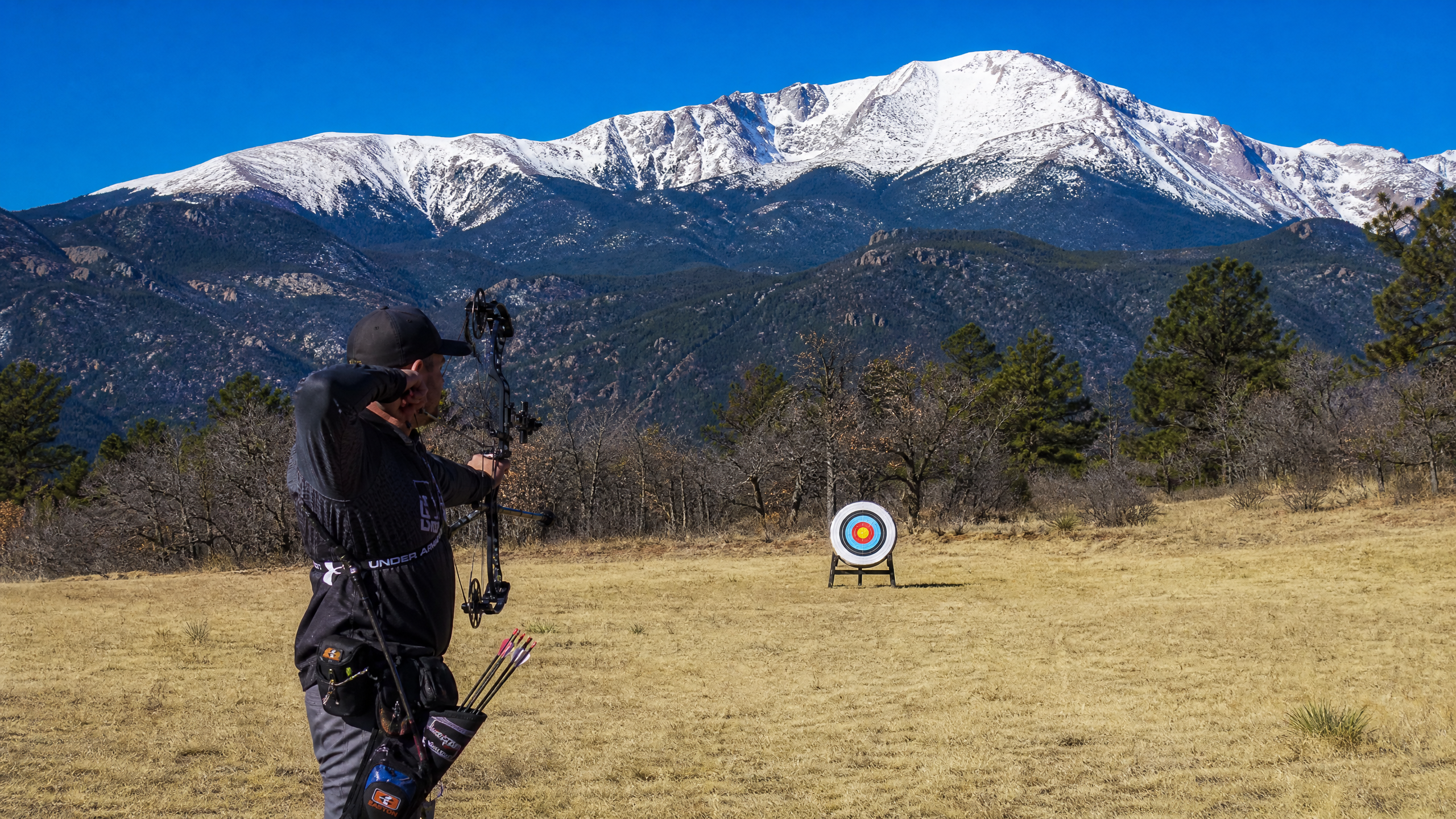
Best Archery Ranges in Colorado Springs
Colorado Springs has 12 archery listings, but only a few publish real hours, pricing, or programs. Here are the ones actually worth calling first.
How Much Does Archery Cost in Colorado Springs?
Colorado Springs has exactly one published archery price in our directory: $15 at Pikes Peak Gun Club. Here's why, and what to ask everywhere else.
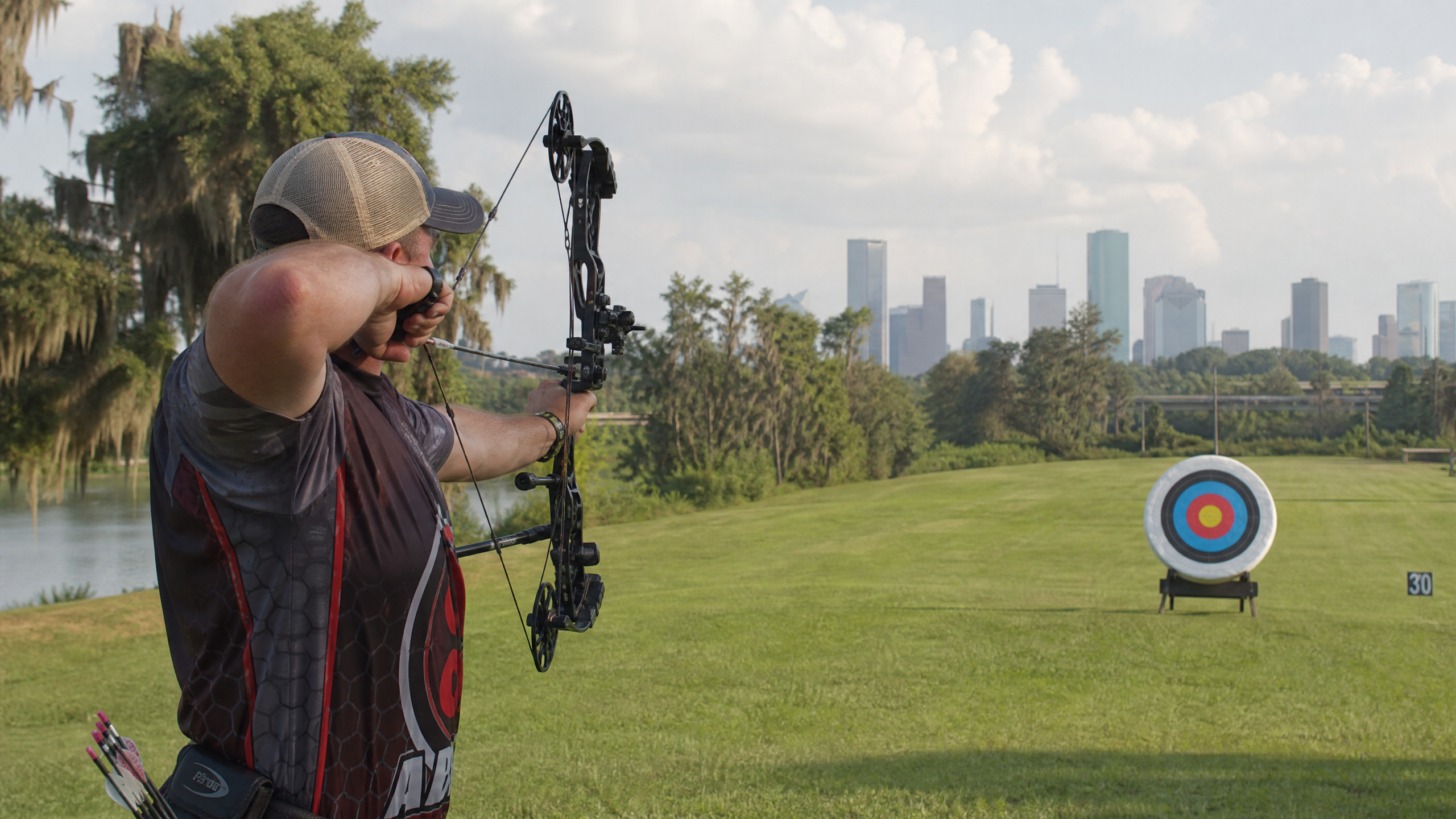
Best Archery Ranges in Houston
Houston has four real archery destinations once duplicate listings are merged: West Houston Archery, The Carriage Archery Club, X10, and Buffalo Field.